Why the BRITE Program?
Stanford faculty are world-class authorities in their field. Their discoveries create fundamental knowledge and advance life-saving care. However, these talented folks are embedded in larger organizations designed to conduct diverse operations ranging from career development to grants, finance and infrastructure management.
The considerable talents of future BRITE interns will be well matched to address the complicated processes and out-of-date software applications burdening our faculty. In turn, these students will have the opportunity to make contributions to and become true team members for some of the most transformative activities faculty are pursuing.

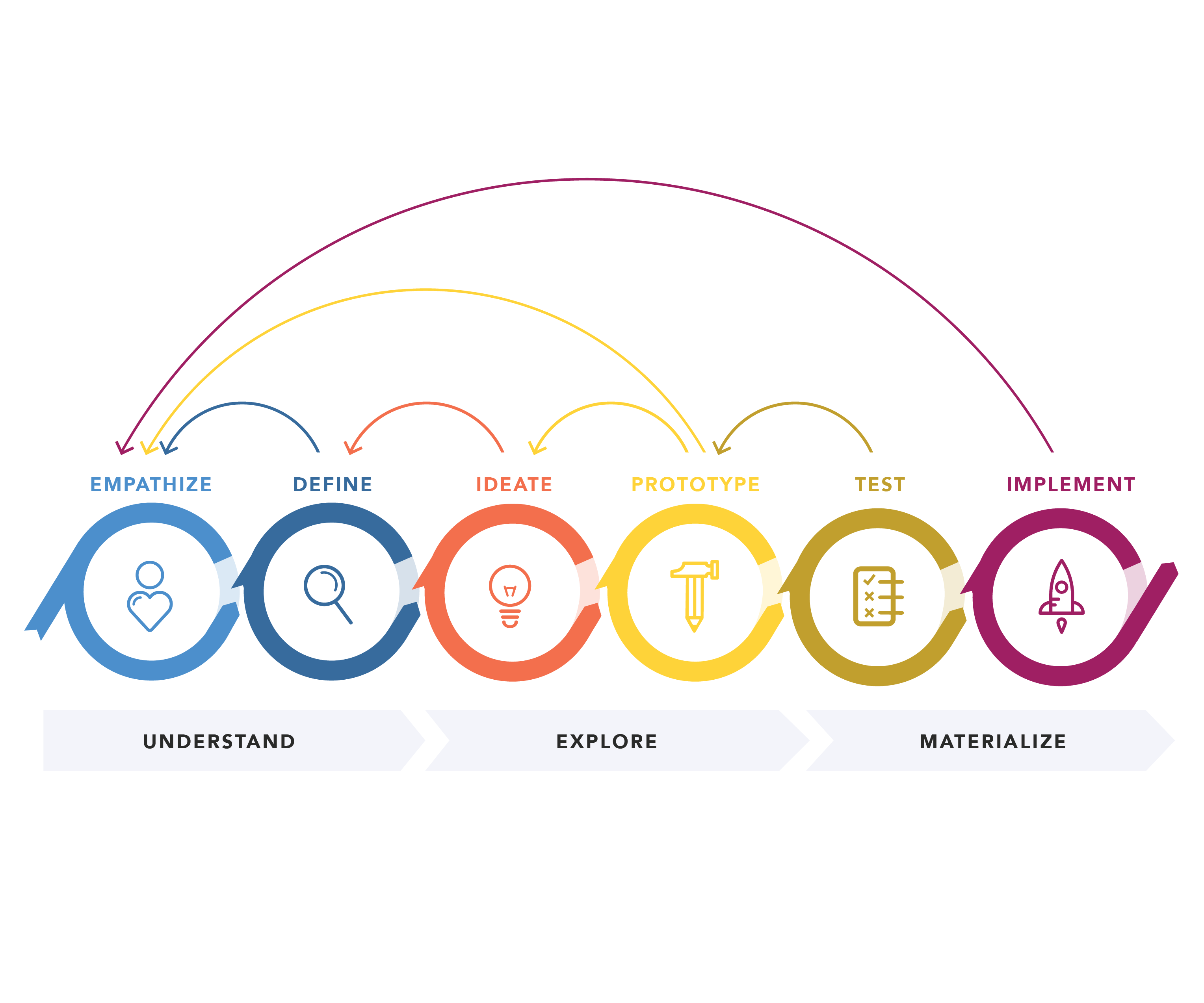
In the Department of Medicine, we have more than 700 faculty in all academic mission areas. The goal of the BRITE program is to combine business process redesign and software application development to reexamine the status quo, to think and ask questions that are seemingly difficult but are taken for granted in other industries, such as streamlined, easy-to-understand financial reports.
With this program, our interns should have a direct impact on the operations and processes that we aspire to improve and transform to most efficiently support faculty that will lead to even greater discoveries and translations into medical practices.
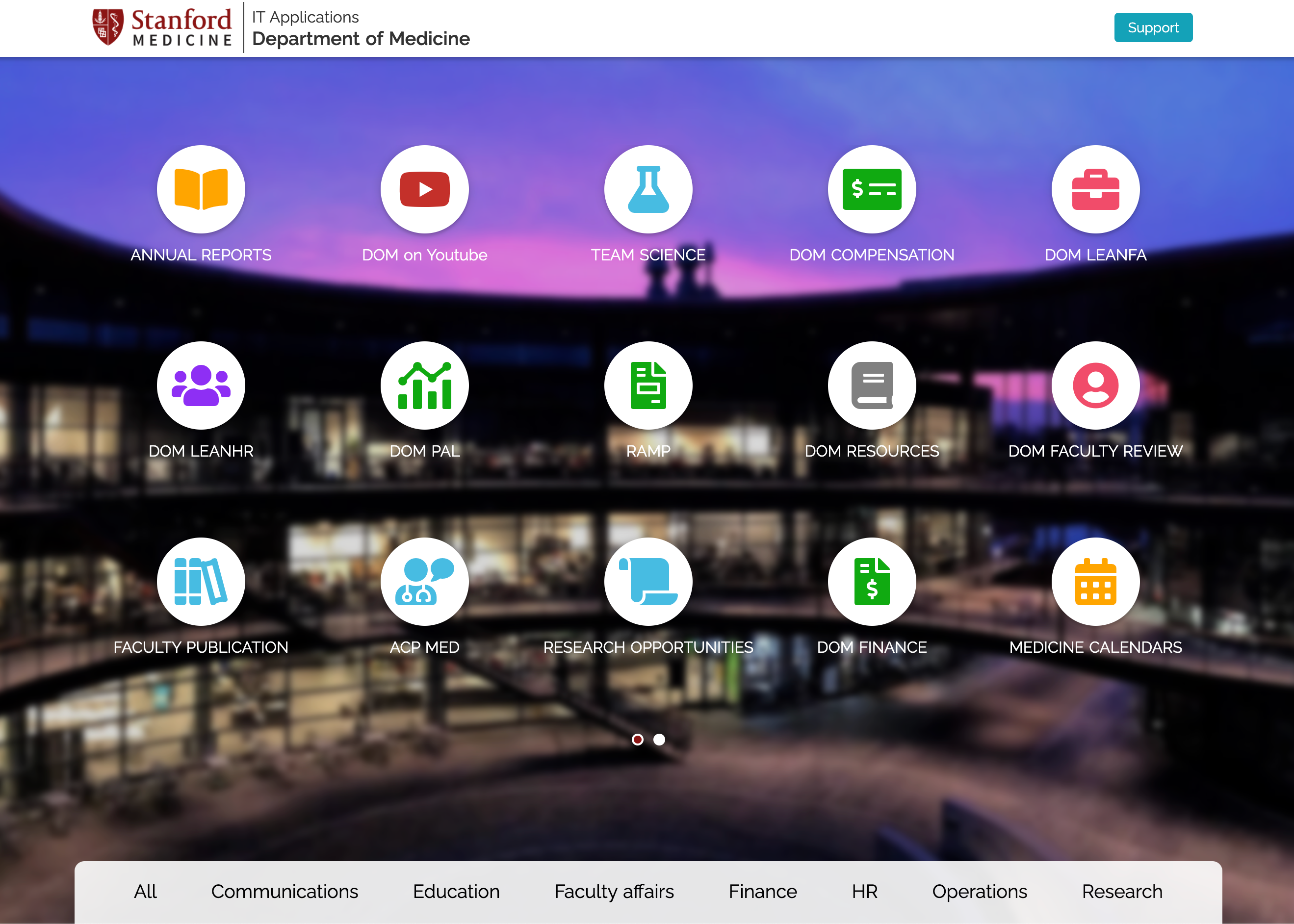
We have a dedicated software application team in the department that’s tasked to develop practical implementations to improve the support processes through design, development, and deployment of novel web and mobile applications. These apps start with faculty needs in mind and end with faculty support in effect; being faculty-centric is our uniquely defining design principle and development mandate.
We focus on specific problems and needs faculty face, and develop apps to address and solve them. In so doing, we stay firmly grounded and close to the user base, but solutions developed there also have implications and applicability beyond the department, beyond a group of faculty, extending and scaling up to broader academic and research institutions and communities.